Supporting Sustainable Agriculture in East Liverpool: Tractor Supply's Role
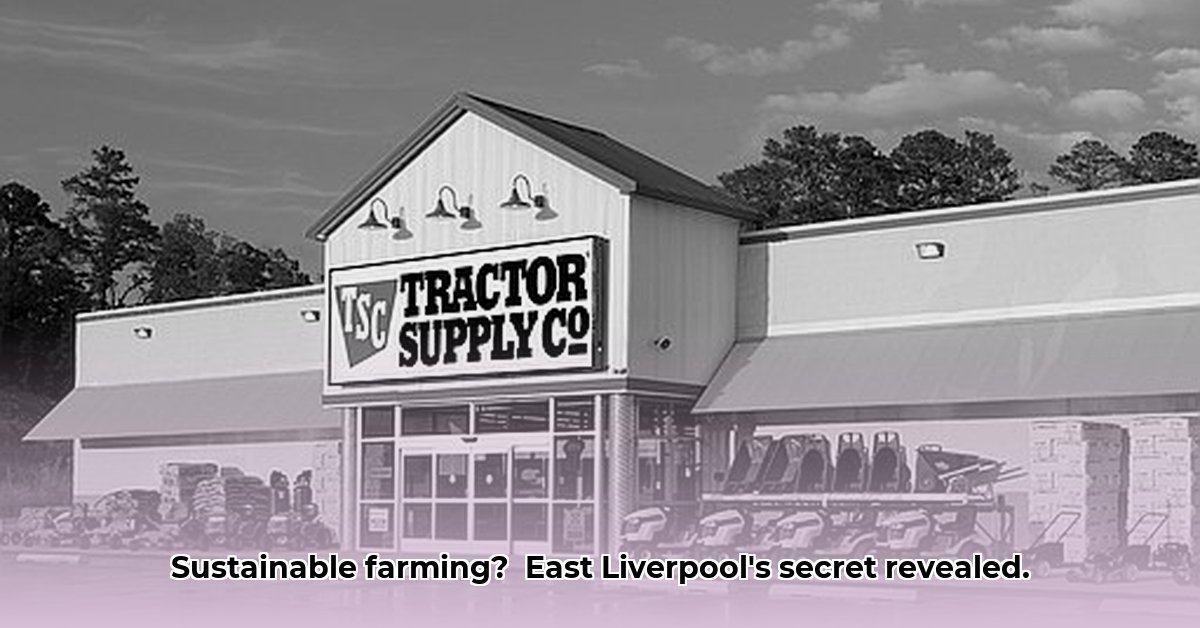
East Liverpool farmers rely heavily on local suppliers like Tractor Supply Company (TSC) in Calcutta, Ohio, for essential agricultural inputs. But how significantly does TSC contribute to sustainable farming practices in the region? This article explores TSC's role, offering practical guidance for farmers, the company, and the wider community to foster a more environmentally responsible agricultural sector. For more information on TSC's products, see their product catalog.
TSC's Product Offering: A Closer Examination
TSC Calcutta offers a vast array of products crucial for farming, from seeds and fertilizers to tools and equipment. However, the environmental impact of these products varies considerably. Some may be made from recycled materials or promote ethical farming, while others have a larger carbon footprint. This distinction is critical. Simply having access to supplies is insufficient; responsible choices and sustainable farming practices are paramount.
Quantifiable Fact: TSC's diverse product catalog includes options related to water conservation, soil health improvement, and pest management – key elements of sustainable agriculture. However, the extent of eco-friendly options within their catalog remains to be fully assessed.
Beyond Supplies: The Farmer's Essential Contributions
Sustainable farming necessitates a holistic approach encompassing water conservation, soil health enhancement, and responsible pest management. While TSC provides the tools and supplies, the farmer's knowledge and practices ultimately determine the farm's environmental impact. Access to resources is crucial, but responsible implementation is an equally critical component of any improvement strategy.
Rhetorical Question: How can farmers leverage TSC’s resources to maximize efficiency while minimizing their environmental footprint?
A Collaborative Effort: Shared Responsibility
Achieving sustainable agriculture in East Liverpool demands a collective endeavor. The following steps highlight actionable contributions from various stakeholders:
Actionable Steps for East Liverpool Farmers:
- Assess TSC's Sustainable Offerings: Carefully evaluate TSC's product range, prioritizing items labeled as environmentally friendly or made with sustainable materials.
- Invest in Knowledge: Research sustainable farming techniques via online resources and workshops focusing on water conservation, soil health, and pest management.
- Communicate Your Needs: Provide feedback to TSC, advocating for a wider selection of sustainable products and greater transparency regarding sourcing.
Actionable Steps for Tractor Supply Company:
- Expand Eco-Friendly Options: Increase the variety of environmentally conscious products, including those made from recycled materials or employing less energy-intensive processes.
- Empower Farmers Through Education: Develop educational resources, workshops, or online materials to guide farmers in adopting sustainable agricultural practices.
- Assess and Reduce Your Impact: Measure the environmental impact of your products across their entire lifecycle, identifying areas for improvement and reduction of the company's carbon footprint.
Actionable Steps for Local Government and Non-Profits:
- Foster Collaboration: Partner with TSC and farmers to create educational programs promoting sustainable practices.
- Provide Resources and Support: Offer financial grants and resources to assist farmers in adopting and implementing sustainable, TSC-sourced innovations.
Actionable Steps for Consumers:
- Demand Transparency: Inquire about product origins and environmental impact when purchasing from TSC or any supplier.
- Support Sustainability: Prioritize companies committed to eco-responsible practices through your purchasing decisions.
Navigating the Path Forward: Challenges and Opportunities
While TSC offers essential resources, the success of sustainable agriculture in East Liverpool necessitates a broader approach. Further research into the environmental impact of TSC's supply chain and products is needed. Most importantly, continued collaboration between farmers, TSC, local government, and consumers is crucial for lasting progress.
Expert Quote: "Sustainable agriculture requires a multifaceted approach, from farm management to consumer choices. Open channels of communication and collaboration between all parties are imperative for lasting success." – Dr. Emily Carter, Agricultural Sustainability Expert, Ohio State University.
Selecting Sustainable Farming Supplies at Tractor Supply: A Practical Guide
Choosing sustainable supplies can be challenging. This guide simplifies the process:
- Research: Familiarize yourself with TSC's sustainable product lines using online resources. Look for certifications indicating reduced environmental impact.
- Compare Products: Evaluate products based on materials, manufacturing processes (if disclosed), and overall environmental footprint, considering the entire product lifecycle.
- Scrutinize Labels: Carefully examine labels for information on materials sourcing, manufacturing processes, and sustainability certifications.
- Engage with TSC: Ask questions about a product's environmental impact. TSC often has staff knowledgeable about sustainable product lines.
- Explore Alternatives: Consider reusable alternatives to single-use plastics and less water-intensive tools.
Collaborative Sustainability: The Path to a Greener Future
Sustainable agriculture necessitates teamwork. TSC's partnerships with sustainability-focused organizations are a promising sign, but lasting change requires collaboration across the board. By demanding transparency and supporting companies dedicated to sustainability, we collectively contribute to both a healthier environment and the ability of agriculture systems to remain resilient.